
A parasite that can cause “explosive diarrhea,” cyclospora, is on the rise this summer, with 17 states already reporting cases.As of June 16, the U.S. Centers for Disease Control and Prevention has received reports of 145 cyclosporiasis cases among people who acquired the illness in the United States.In Michigan, the number of reported cases rose to 572 in July, up from 170 on June 30, according to the Michigan Department of Health and Human Services.What is cyclospora?“Cyclospora is a foodborne parasite that gets into people’s bodies, particularly their gut, and causes a diarrheal illness,” said Dr. Steven Goldberg, chief medical officer for HealthTrackRx, an outpatient infectious disease laboratory.The gut-churning parasite has been found in fresh produce such as:ParsleyCilantroSnow peasMesclun lettuceSpinachSalad mixesRaspberries, blueberries and blackberriesGoldberg said a feature all these food items have in common is rough, irregular surfaces, which make it easier for the parasite to hide in crevices and latch on, making them difficult to fully clean.Cyclospora does not spread through human-to-human transmission and is passed on through contaminated food.“The way this spreads is from a person having diarrhea and some of that material getting into either food prep or food service,” said Goldberg.Cyclospora infections are seasonal, with cases rising in spring and summer. The cyclosporiasis season runs from May 1 to Aug. 31.FDA investigations of foodborne illness outbreaks have recorded 21 cases related to Cyclospora outbreaks since 2013. The most common food items are fresh herbs and leafy vegetables found in salad mixes.Which food has been linked to past Cyclospora outbreaks?Goldberg said the best way to prevent cyclospora is to do more than just rinse food under running water. He said to manually clean the surface of the food, but not to use bleach or surface-cleaning agents.“If you’re going to a farmer’s market or other area and you purchase food, that food has to have a prep process other than just soaking in water. It needs to be washed with a forceful water flow and manually cleaned,” said Goldberg.What are symptoms of cyclosporiasis?“There are multiple organisms that can cause diarrhea,” said Goldberg. “What makes cyclospora different is that it causes explosive diarrhea.”The CDC website lists some symptoms of cyclosporiasis to watch for:Watery diarrhea (most common)Loss of appetiteWeight lossCrampingBloatingIncreased gasNauseaFatigueLess common symptoms may include:VomitingBody achesHeadacheLow-grade feverOther flu-like symptomsFor most people, cyclosporiasis lasts days, but some with persistent or severe infections may need antibiotics to clear it. Goldberg said people should seek medical care if they have a fever, persistent nausea, vomiting or diarrhea, or are unable to keep up with fluids.How to prevent cyclospora? The CDC has these prevention tips people can follow to help prevent foodborne illness related to fresh produce:WashWash hands with soap and water before and after handling or preparing raw fruits and vegetables.PrepareWash all fruits and vegetables thoroughly under running water before eating, cutting, or cooking.Fruits and vegetables that are labeled “prewashed” do not need to be washed again at home. Scrub firm fruits and vegetables, such as melons and cucumbers, with a clean produce brush. Cut away any damaged or bruised areas on fruits and vegetables before preparing and eating. StoreRefrigerate cut, peeled or cooked fruits and vegetables as soon as possible, within two hours. There is currently no evidence of a single multistate Cyclospora outbreak linking all cases.But in recent years, the CDC says the number of reported U.S. cases has been increasing as the parasite has been found on domestically grown produce.“We’re seeing now this year an acceleration of food-related illness in the United States. We don’t have a single explanation for it. It’s not clear if it is coming from farms or if there are other sources involved,” Goldberg said.
A parasite that can cause “explosive diarrhea,” cyclospora, is on the rise this summer, with 17 states already reporting cases.
As of June 16, the U.S. Centers for Disease Control and Prevention has received reports of 145 cyclosporiasis cases among people who acquired the illness in the United States.
In Michigan, the number of reported cases rose to 572 in July, up from 170 on June 30, according to the Michigan Department of Health and Human Services.
What is cyclospora?
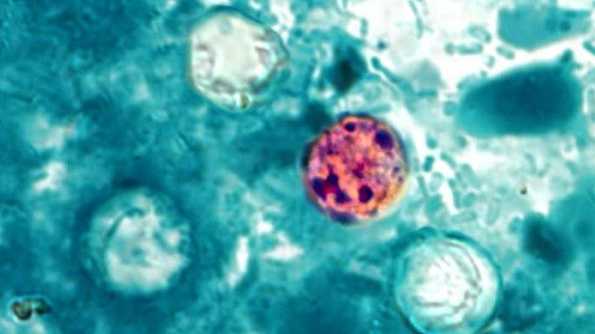
“Cyclospora is a foodborne parasite that gets into people’s bodies, particularly their gut, and causes a diarrheal illness,” said Dr. Steven Goldberg, chief medical officer for HealthTrackRx, an outpatient infectious disease laboratory.
The gut-churning parasite has been found in fresh produce such as:
- Parsley
- Cilantro
- Snow peas
- Mesclun lettuce
- Spinach
- Salad mixes
- Raspberries, blueberries and blackberries
Goldberg said a feature all these food items have in common is rough, irregular surfaces, which make it easier for the parasite to hide in crevices and latch on, making them difficult to fully clean.
Cyclospora does not spread through human-to-human transmission and is passed on through contaminated food.
“The way this spreads is from a person having diarrhea and some of that material getting into either food prep or food service,” said Goldberg.
Cyclospora infections are seasonal, with cases rising in spring and summer. The cyclosporiasis season runs from May 1 to Aug. 31.
FDA investigations of foodborne illness outbreaks have recorded 21 cases related to Cyclospora outbreaks since 2013. The most common food items are fresh herbs and leafy vegetables found in salad mixes.
Which food has been linked to past Cyclospora outbreaks?
Goldberg said the best way to prevent cyclospora is to do more than just rinse food under running water. He said to manually clean the surface of the food, but not to use bleach or surface-cleaning agents.
“If you’re going to a farmer’s market or other area and you purchase food, that food has to have a prep process other than just soaking in water. It needs to be washed with a forceful water flow and manually cleaned,” said Goldberg.
What are symptoms of cyclosporiasis?
“There are multiple organisms that can cause diarrhea,” said Goldberg. “What makes cyclospora different is that it causes explosive diarrhea.”
The CDC website lists some symptoms of cyclosporiasis to watch for:
- Watery diarrhea (most common)
- Loss of appetite
- Weight loss
- Cramping
- Bloating
- Increased gas
- Nausea
- Fatigue
Less common symptoms may include:
- Vomiting
- Body aches
- Headache
- Low-grade fever
- Other flu-like symptoms
For most people, cyclosporiasis lasts days, but some with persistent or severe infections may need antibiotics to clear it. Goldberg said people should seek medical care if they have a fever, persistent nausea, vomiting or diarrhea, or are unable to keep up with fluids.
How to prevent cyclospora?
The CDC has these prevention tips people can follow to help prevent foodborne illness related to fresh produce:
Wash
- Wash hands with soap and water before and after handling or preparing raw fruits and vegetables.
Prepare
- Wash all fruits and vegetables thoroughly under running water before eating, cutting, or cooking.
- Fruits and vegetables that are labeled “prewashed” do not need to be washed again at home.
- Scrub firm fruits and vegetables, such as melons and cucumbers, with a clean produce brush.
- Cut away any damaged or bruised areas on fruits and vegetables before preparing and eating.
Store
- Refrigerate cut, peeled or cooked fruits and vegetables as soon as possible, within two hours.
There is currently no evidence of a single multistate Cyclospora outbreak linking all cases.
But in recent years, the CDC says the number of reported U.S. cases has been increasing as the parasite has been found on domestically grown produce.
“We’re seeing now this year an acceleration of food-related illness in the United States. We don’t have a single explanation for it. It’s not clear if it is coming from farms or if there are other sources involved,” Goldberg said.